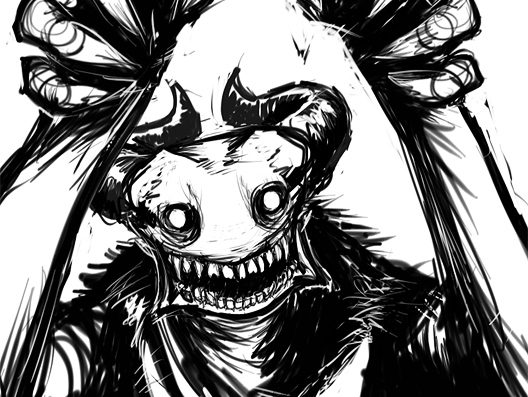
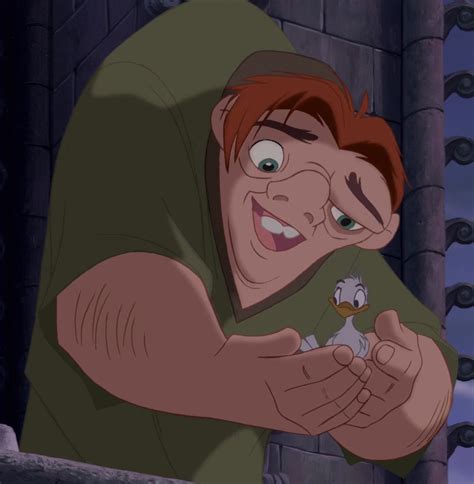
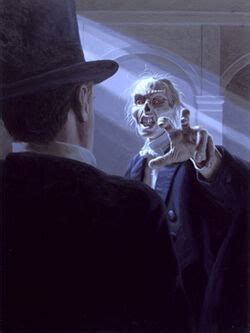
Both Victor Hugo’s The Hunchback of Notre-Dame and Gaston Leroux’s The Phantom of the Opera contain characters with natural deformities who are hidden away from society for the majority of their lives. However, both characters become very different people within their specific stories.
Quasimodo turns into a kind-hearted soul, who falls in love and (even though he lacks understanding of the situation and helps the wrong people) truly cares for the woman he loves, to the point of dying alongside her once she herself is executed. He dies out of love, and only carries the holder of his heart into his sanctuary to protect her from those who would harm her.
Erik, on the other hand, has grown as dark as the shadows he stalks. The people of the Opera are an amusement to him, a play thing that can consume his time, of which he has too much of. He does not truly feel love, but entitlement. He saw the outer beauty of a woman and enjoyed her songs, but used manipulation to coerce her trust and affections, before spiriting her away to his sanctuary.
The question I pose is simple: how could two individuals who live through similar conditions become such different people. Why did Erik’s isolation not make him more appreciative of human connection, as it did with Quasimodo? And how did the lack of affection in his childhood not make Quasimodo apathetic, as it did Erik? I do not have these answers, only these characters who do not really exist can speak the words of ultimate truth.
 Monstrous Poetry